Why Restaurants Miss Customer Calls — And How to Fix It
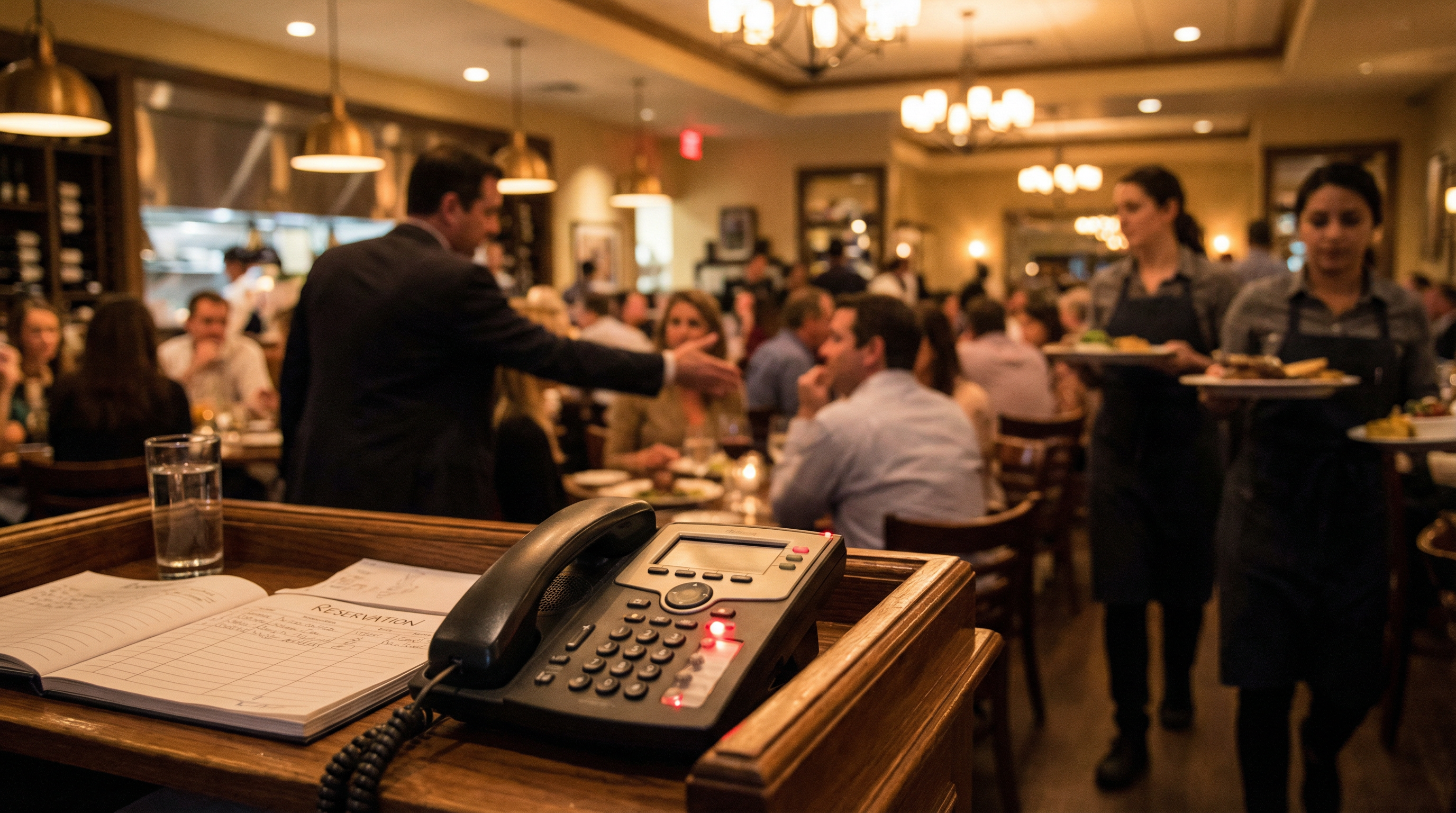
It's 7:15 PM on a Friday. The dining room is packed, the kitchen is running 20 minutes behind on tickets, and the host stand is managing a line of walk-ins that stretches out the door. Then, the phone rings. It rings again. And again. Finally, it goes to voicemail, joining three other unheard messages from customers trying to book a table for tomorrow night, asking about dietary restrictions, or checking if you're still open.
This scenario plays out in thousands of restaurants every night. While operators focus intensely on the guests physically present in the building, the digital front door—the phone line—often goes unattended during the most critical hours of operation.
Understanding why these calls are missed is the first step toward capturing the revenue they represent. Let's break down the root causes of missed calls in the hospitality industry and explore practical, actionable solutions that don't require compromising the in-house guest experience.
The True Volume of Unanswered Calls
Before addressing the "why," it's crucial to understand the scale of the problem. Many restaurant owners severely underestimate their missed call volume because they only notice the phone ringing when they happen to be near it.
Industry data reveals a stark reality: restaurants miss an average of 30% to 45% of all incoming calls, with that number spiking significantly during peak service hours. As we explored in our analysis of how many calls restaurants miss during peak hours, the financial impact of these missed connections can easily reach tens of thousands of dollars annually in lost reservations and takeout orders.
| Time Period | Average Missed Call Rate | Primary Reason |
|---|---|---|
| Pre-Service (10 AM - 4 PM) | 15% - 25% | Staff performing prep work away from phones |
| Peak Service (6 PM - 9 PM) | 45% - 60% | Staff prioritizing in-house guests |
| After Hours (10 PM - 9 AM) | 100% | No staff on premises |
Root Cause 1: The Peak Hour Paradox
The most common reason restaurants miss calls is what we call the Peak Hour Paradox: the times when customers are most likely to call are exactly the times when staff are least available to answer.
During a dinner rush, a host's primary responsibility is managing the floor, seating guests, and maintaining the flow of service. When forced to choose between a guest standing right in front of them and a ringing phone, the in-person guest will—and should—win every time.
The Fix: Implement a triage system for your phone lines. Use an automated greeting that immediately answers the most common questions (hours, location, parking) before routing the call to a staff member. This simple step can eliminate up to 40% of call volume during peak hours, ensuring that when the phone does ring through to the host stand, it's a high-value interaction like a large party booking or a catering inquiry.
Root Cause 2: The Pre-Service Prep Gap
Many calls are missed long before the first guest arrives. Between 10 AM and 4 PM, kitchen staff are prepping, managers are receiving deliveries, and the front-of-house team hasn't clocked in yet.
Customers, however, are planning their evenings. They're calling on their lunch breaks to secure a table for that night or the upcoming weekend. When these calls go unanswered, the customer rarely leaves a voicemail; they simply call the next restaurant on their list.
The Fix: Establish clear protocols for pre-service phone management. If managers are on-site but away from the office, consider routing calls to a mobile device they carry with them. Alternatively, ensure that checking voicemails and returning calls is the very first task assigned to the opening front-of-house staff member, though this still risks losing customers who needed an immediate answer.
Root Cause 3: Inadequate Technology Infrastructure
Sometimes the problem isn't staffing; it's the phone system itself. Many independent restaurants still rely on a single analog phone line. If a staff member is taking a complex catering order that takes five minutes, anyone else who calls during that time receives a busy signal or gets sent straight to voicemail.
Furthermore, traditional phone systems offer zero visibility into call analytics. Without knowing when calls are coming in and when they're being missed, it's impossible to staff appropriately.
The Fix: Upgrade to a modern VoIP (Voice over Internet Protocol) system that allows for call queuing, multiple simultaneous lines, and detailed analytics. Understanding your call patterns allows you to schedule an extra host or dedicated reservationist specifically during your highest-volume call windows.
Root Cause 4: The After-Hours Black Hole
A surprising volume of calls occurs when the restaurant is entirely closed. Customers call late at night after remembering they need to book a table for an upcoming anniversary, or early in the morning before the restaurant opens.
As detailed in our guide to after-hours call handling for restaurants, ignoring these calls means leaving money on the table.
The Fix: Your after-hours voicemail should be more than just "We're closed." It should actively direct callers to your online booking platform or website for immediate resolution of their needs. "You've reached [Restaurant Name]. We are currently closed, but you can book a table instantly at our website..."
Bridging the Gap Between Digital and Voice
While encouraging online reservations is a valid strategy, it's important to recognize that a significant portion of the dining public still prefers to call. They might have a specific question about a food allergy, want to request a specific table, or simply prefer the assurance of speaking to a human.
Forcing these customers into a purely digital funnel often results in lost business. The goal shouldn't be to eliminate phone calls, but to manage them more effectively.
A Modern Approach to Call Management
Fixing the missed call problem requires acknowledging that traditional staffing models are no longer sufficient for modern consumer expectations. Customers expect immediate answers, regardless of how busy your dining room is.
For restaurants looking to completely eliminate missed calls without adding to their payroll, modern technology offers a compelling solution. Advanced AI voice agents can now handle incoming calls with natural, conversational responses. They can answer questions about the menu, provide parking directions, and even integrate directly with your reservation system to book tables—all while your staff focuses entirely on the guests in the dining room.
If you're tired of losing reservations to the voicemail abyss, explore how Speako's AI voice agents for restaurants can ensure every caller gets a prompt, helpful response, 24/7. You can also check out our advanced tools to see how seamless integration with your existing systems can transform your front-of-house operations.

Senior Product Specialist at Speako AI. Writes about small business operations, AI adoption, and the future of customer communication.