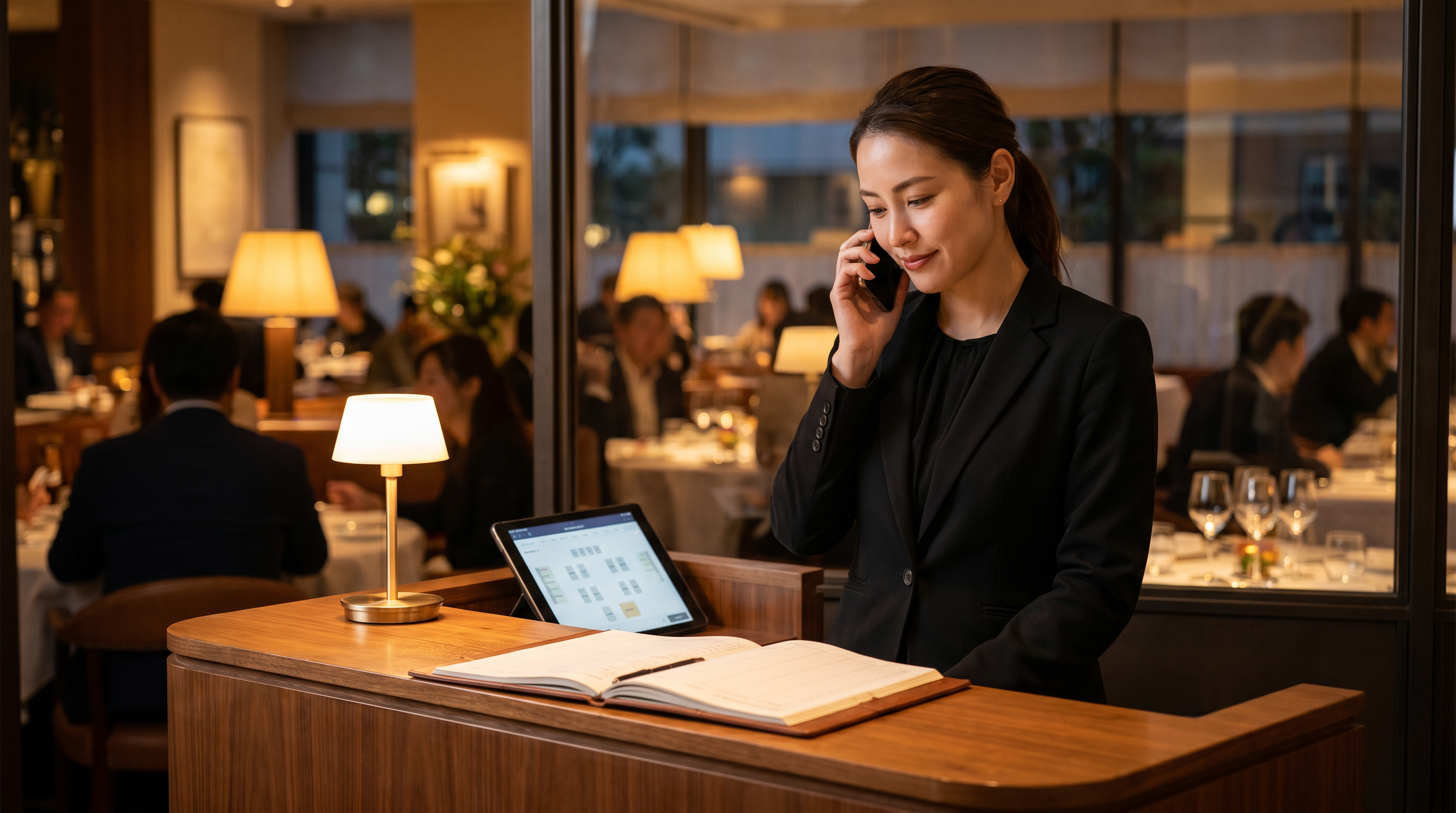
It's 7:30 PM on a Friday. The dining room is packed, the kitchen is backed up by twenty minutes, and the phone rings. On the other end is a customer who placed a takeout order forty-five minutes ago, and they are not happy. Their voice is raised, their patience is gone, and you are the one who has to deal with it while three other tables wait to be seated.
Every restaurant professional knows this scenario. Handling difficult customer calls is one of the most stressful parts of front-of-house operations. When tensions run high, it is easy for a simple misunderstanding to escalate into a lost customer or a negative online review. However, with the right approach, these challenging interactions can actually become opportunities to build loyalty.
In this guide, we will explore practical, actionable strategies for managing angry callers, resolving complaints effectively, and keeping your cool when the pressure is on.
The Psychology of an Angry Caller
Before diving into tactics, it is crucial to understand what is happening on the other end of the line. When a customer calls with a complaint—whether it is about a missing item, a long wait time, or a perceived slight—they are usually driven by a mix of frustration and a desire to be heard.
Often, the anger is not actually about the specific issue. It is about the feeling of being ignored or undervalued. As we explored in our analysis of what happens when restaurant customers can't understand your staff, communication breakdowns are the root cause of most customer dissatisfaction.
When you answer the phone, your primary goal is not immediately solving the problem; it is de-escalating the emotion. Once the customer feels heard and validated, you can move on to finding a solution.
The L.E.A.R.N. Method for De-escalation
One of the most effective frameworks for handling difficult customer interactions is the L.E.A.R.N. method. This structured approach helps you navigate the conversation logically, even when emotions are running high.
Listen Actively
The first step is simply to listen. Do not interrupt, do not defend yourself, and do not immediately offer solutions. Let the customer vent. Often, they just need to get their frustration out. Use verbal cues like "I understand" or "I see" to show that you are engaged.
Empathize
Once they have finished speaking, acknowledge their feelings. Empathy does not mean agreeing that you were wrong; it means validating their experience. A simple statement like, "I can completely understand why you are frustrated that your order was delayed," goes a long way in defusing tension.
Apologize
Offer a sincere apology for the situation. Avoid non-apologies like "I'm sorry you feel that way." Instead, take ownership of the experience: "I apologize that your experience tonight did not meet our usual standards."
Resolve
Now it is time to fix the problem. Ask the customer what would make the situation right, or offer a specific solution. Whether it is a refund, a replacement meal, or a discount on their next visit, make sure the resolution is clear and actionable.
Notify
Finally, ensure that the issue is communicated to the relevant team members so it does not happen again. If the kitchen missed an item, let the expeditor know. If the wait time was misquoted, discuss it with the host stand.
Practical Tips for Staying Calm
Knowing the framework is one thing; executing it during a busy dinner rush is another. Here are some practical tips for maintaining your composure when dealing with a difficult call.
Control Your Breathing
When we get stressed, our breathing becomes shallow and rapid, which triggers the body's fight-or-flight response. Take a deep, slow breath before answering the phone, and consciously regulate your breathing during the call. This simple physical act can significantly lower your stress levels.
Lower Your Voice
It is a natural instinct to match the volume and tone of the person you are speaking with. If the customer is yelling, you might find yourself speaking louder as well. Consciously lower your voice and speak slowly. This technique, known as "under-reacting," often prompts the caller to subconsciously lower their own volume to match yours.
Use the "Mute" Button Strategically
If you need a moment to compose yourself or check on an order, do not be afraid to put the customer on a brief hold. Say, "I want to look into this right away. May I place you on a brief hold while I check with the kitchen?" This gives you a few seconds to breathe and gather information without the pressure of the customer listening in.
Common Scenarios and How to Handle Them
Different types of complaints require slightly different approaches. Here is how to handle some of the most common difficult calls.
| Scenario | The Customer's Perspective | Your Best Response |
|---|---|---|
| The Missing Item | "I paid for this and didn't get it. You ruined my dinner." | Apologize immediately. Offer to remake the item for pickup, refund the specific item, or provide a credit for their next visit. Do not argue about whether it was actually in the bag. |
| The Long Wait Time | "I was told 20 minutes, and it's been 45. My food is going to be cold." | Acknowledge the delay and explain the situation honestly without making excuses (e.g., "We had an unexpected rush"). Offer a realistic updated timeline and perhaps a complimentary appetizer or dessert for the inconvenience. |
| The Quality Complaint | "This steak is overcooked and the fries are soggy." | Validate their disappointment. Ask clarifying questions to understand the issue, then offer a replacement or a refund. Thank them for bringing it to your attention so you can improve. |
When to Escalate to Management
Not every call can or should be handled by front-line staff. It is important to know when to pass the baton to a manager.
You should escalate a call if:
- The customer becomes abusive, uses profanity, or makes threats.
- The customer explicitly asks to speak to a manager.
- The proposed resolution exceeds your authorized limit (e.g., a full refund of a large catering order).
- You feel you are losing your composure and cannot continue the conversation professionally.
When transferring the call, give the manager a brief summary of the situation so the customer does not have to repeat their entire complaint.
Reducing the Volume of Difficult Calls
While knowing how to handle difficult calls is essential, the ultimate goal should be reducing the number of these calls in the first place. Many complaints stem from operational bottlenecks or communication failures that can be addressed proactively.
For instance, why restaurants miss customer calls is often due to understaffing during peak hours. When customers cannot get through to place an order or ask a question, their frustration builds before they even speak to someone.
Improving your operational efficiency, setting accurate expectations for wait times, and ensuring clear communication between the front and back of house can significantly decrease the volume of complaints.
A Smarter Way to Manage Restaurant Communications
Handling difficult calls requires empathy, patience, and a calm demeanor—qualities that are hard to maintain when your staff is stretched thin during a rush. When your team is constantly pulled away from in-house guests to answer the phone, both the caller and the dine-in customer suffer.
This is where technology can step in to alleviate the pressure. By automating routine inquiries and order taking, you can free up your staff to focus on providing excellent hospitality to the guests in front of them, and give them the bandwidth to handle complex issues with the care they require.
If you are looking for ways to streamline your phone operations and reduce the stress on your front-of-house team, explore how Speako's AI solutions for restaurants can help manage your call volume efficiently, ensuring every customer gets the attention they deserve.

Chief Product Specialist at Speako AI.